Why eat with a guide
Why eat with a guide
Hanoi is a street-food capital
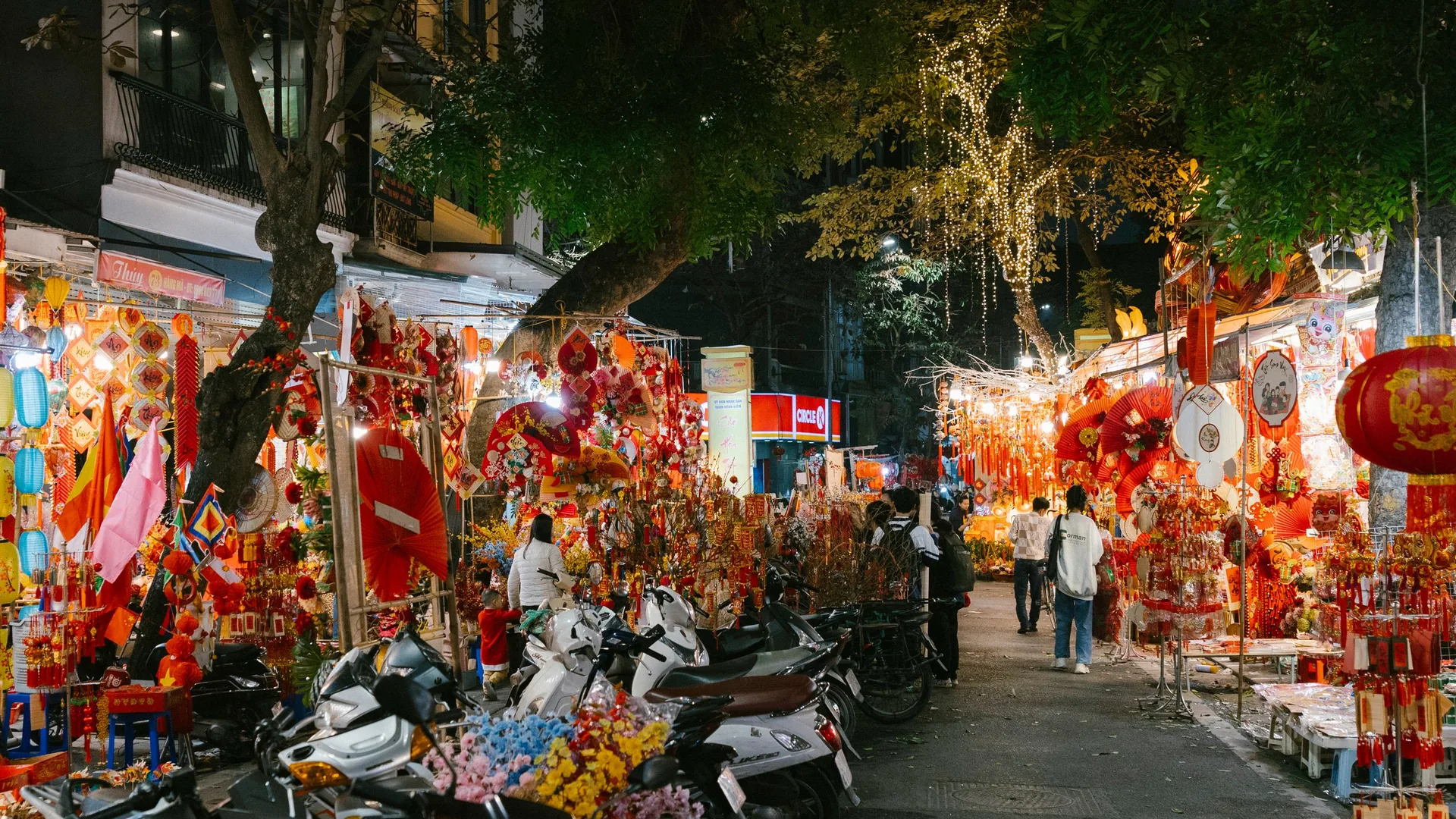
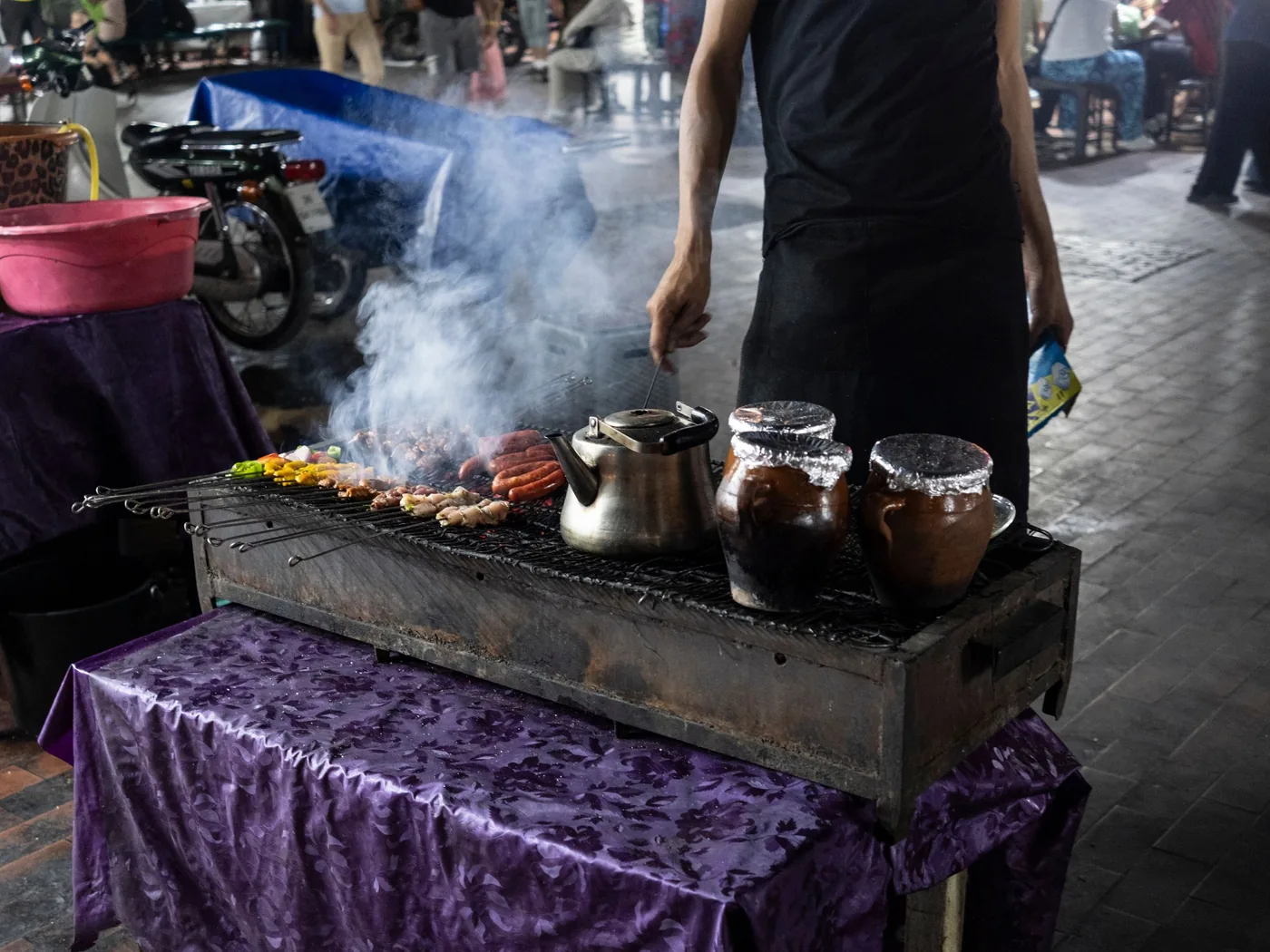
Hanoi's food happens on the pavement: sizzling grills, steaming pho pots and tiny plastic stools spilling across the Old Quarter's tangled lanes. It's some of the best, cheapest eating on earth — but for a first-timer the menus, the etiquette and the sheer choice can be baffling. A guide turns the maze into a feast.
The best stalls, no guesswork
A local guide takes you to the spots they'd eat at themselves — the pho counter that's been perfecting one dish for decades, the bun cha grill down an alley you'd never find, the egg-coffee café up a hidden staircase. You skip the tourist traps, order the right things, and hear the story behind each dish.
More than a meal
A good food tour is also the best introduction to the Old Quarter itself: you weave through night markets and motorbike-thronged lanes, learn how Hanoians actually eat, and — on the Train Street tours — sit trackside for a drink where a real train squeezes past the houses. You leave full, and knowing the city.
The Old Quarter & how tours work
The Old Quarter & how tours work
The Old Quarter is the beating heart of Hanoi's food scene. Here's what to know about it and how the tours run.
The 36 streets
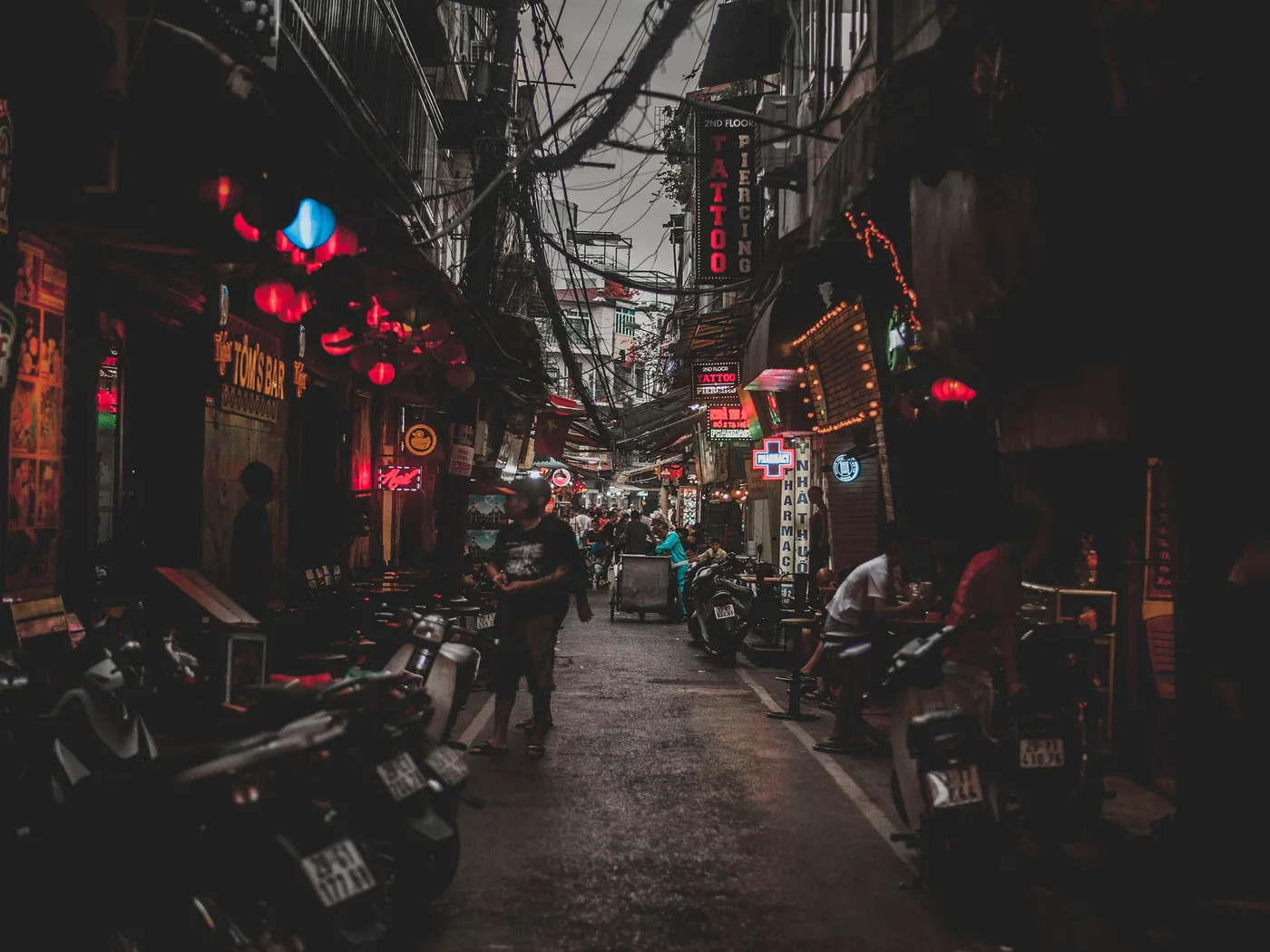
Hanoi's Old Quarter is a dense grid of ancient trading streets, each historically named for a craft or good. Today it's a sensory overload of shophouses, night markets, motorbikes and food stalls — thrilling but easy to get lost in, which is exactly why a guided route helps.
Walking and small groups
Tours are on foot and usually in small groups, weaving between stalls and sit-down spots. You'll cover a couple of kilometres at an easy pace over a few hours, perching on the low plastic stools that are Hanoi's dining furniture. Wear comfortable shoes and come hungry.
Train Street tours
Some tours add Train Street — a famous, narrow lane where homes and cafés sit right against a live railway. It's atmospheric and hugely photogenic; guides know the safe cafés and the train times. Access can be restricted at times, so a guide who knows the current situation is a real advantage.
How much you'll eat
Come with an empty stomach — the tastings add up to a full meal and often more across several stops. Portions are shared or tasting-sized so you can try a wide range without filling up too fast. Tell your guide early about any dietary needs or dislikes.
Hanoi street food, in pictures
Hanoi street food, in pictures
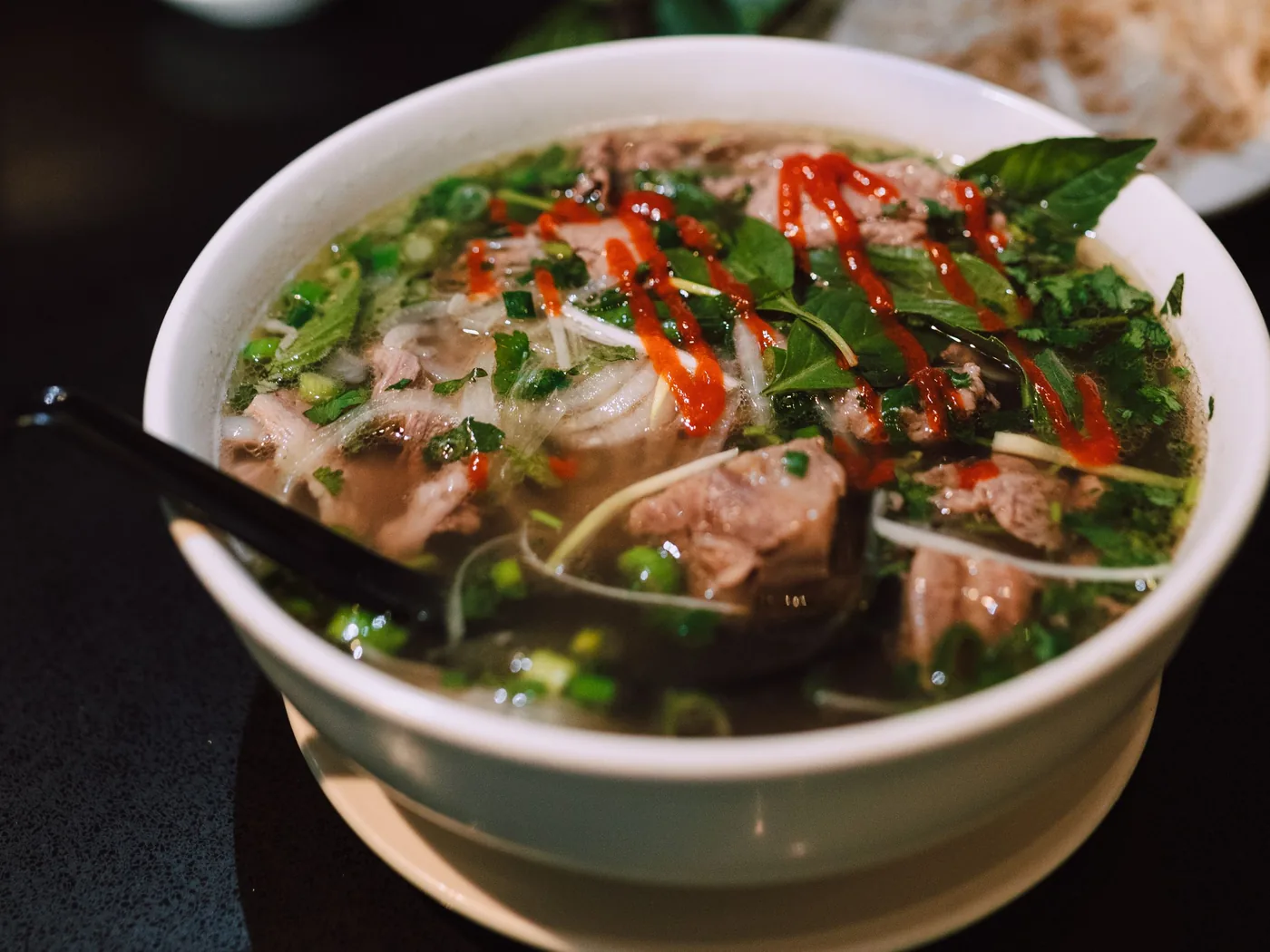
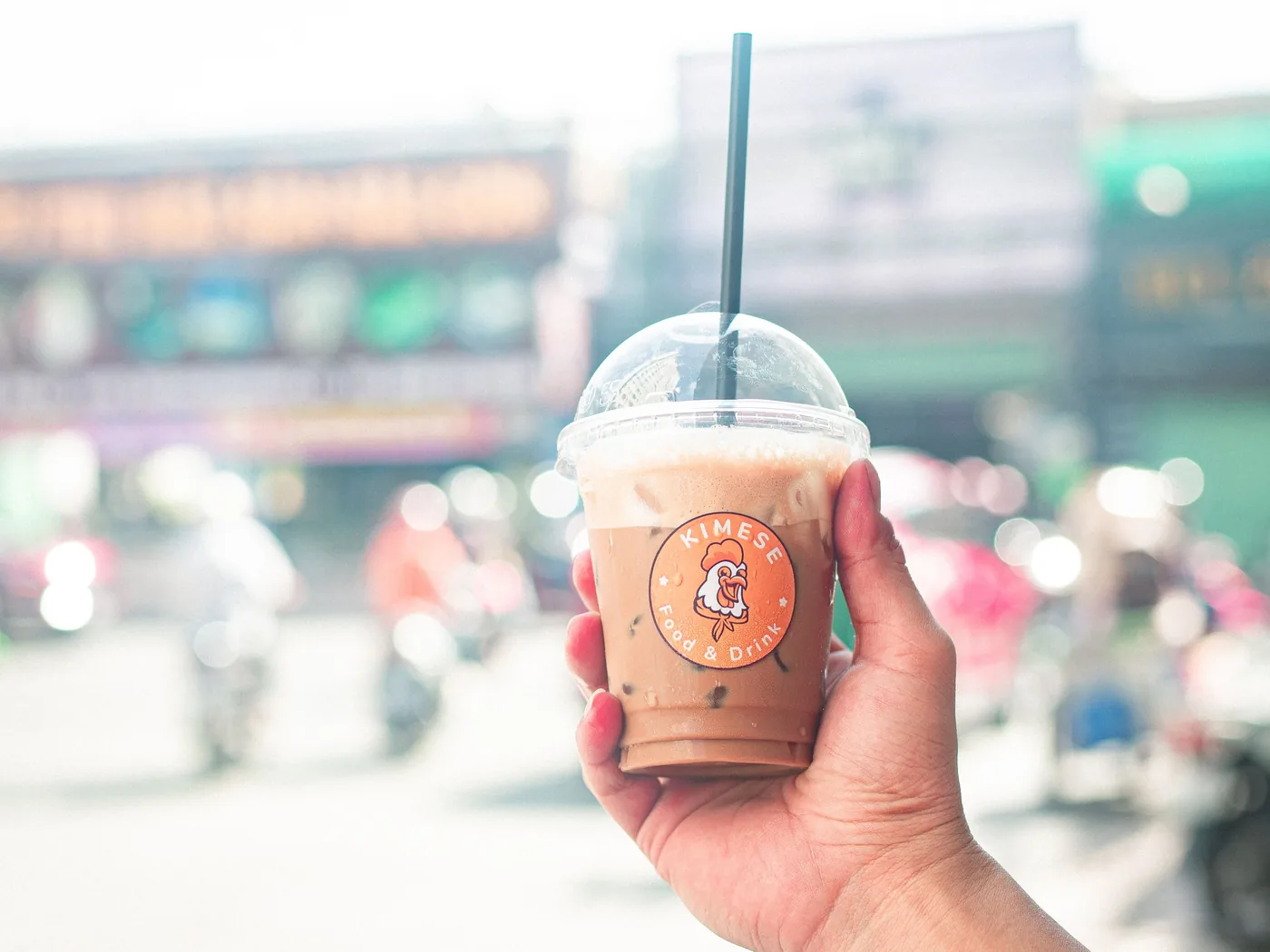
Neon lanes, sizzling grills and the dishes a good tour puts in front of you.
Tour options & what's included
Tour options & what's included
| Option | What it includes | Good to know |
|---|---|---|
| Old Quarter food walk | A guided evening walk with several street-food tastings | The classic — the greatest hits of Hanoi eating |
| Train Street + food tour | The above plus a trackside café stop on Train Street | Adds the famous railway-lane experience and a drink |
| Michelin-guide food tour | Tastings focused on Michelin-listed street stalls | For foodies chasing the celebrated spots specifically |
| Vespa / cyclo food tour | A food tour by Vespa or cyclo, covering more ground | Great if you'd rather ride than walk between stops |
Ways to book a street food tour
Find a Hanoi street food tour for your dates
Each option below books through GetYourGuide with live availability, and the final price shows in your own currency before you pay.
Planning your food tour
Planning your food tour
Come hungry, in the evening
Most street-food tours run in the evening, when the Old Quarter comes alive, and the tastings across several stops add up to a full dinner and more. Skip a big lunch and arrive genuinely hungry so you can enjoy everything. Wear comfortable shoes — you'll walk a couple of kilometres and sit on low stools.
Choose your route
Decide what you want: a classic Old Quarter food walk, a Train Street tour that adds the railway-lane café, a Michelin-focused tasting, or a Vespa/cyclo tour that covers more ground. They all eat well; the difference is the extras and how you get around. The listing spells out each option.
Dietary needs and chilli
Tell your guide early about allergies, vegetarian or halal needs, or a low tolerance for chilli — Hanoi food isn't especially fiery, but it's easy to adjust and guides do this all the time. Vegetarian street-food tours exist too. If you have a serious allergy, be very clear, as shared kitchens make cross-contact possible.
Is street food safe?
On a guided tour, yes — reputable operators take you to busy, high-turnover stalls where food is cooked fresh and hot, which is exactly what you want. Eat things hot and freshly made, be a little cautious with ice and raw herbs if your stomach is sensitive, and bring hand sanitiser. Millions eat here happily every day.
Booking flexibility
The GetYourGuide listing offers free cancellation up to 24 hours before and often reserve-now-pay-later, so you can hold a spot and adjust your plans. The exact terms and what's included are shown before you confirm.
Planning a Hanoi food night
Planning a Hanoi food night
Eating Hanoi: a street food first-timer's guide
What you'll eat, how the Old Quarter and Train Street tours differ, how to handle chilli and dietary needs, and the honest word on eating street food safely.
Read more →Hanoi's Essential Street Food Dishes, Explained
Read more →Egg Coffee: The Strange Genius of Hanoi's Coffee Culture
Read more →The Old Quarter's 36 Streets: Why Hanoi Eats Here
Read more →Northern vs Southern Vietnamese Food, Explained
Read more →How to Eat Hanoi Street Food Like a Local
Read more →FAQ
Hanoi street food tours — your questions
What happens on a Hanoi street food tour?
A local, English-speaking guide leads you on foot through the Old Quarter in the evening, stopping at several street-food spots to taste iconic Hanoi dishes — typically things like pho, bun cha, banh mi, fried spring rolls and egg coffee. You perch on the low plastic stools locals use, hear the story behind each dish, and on the Train Street tours also stop at a trackside café. It usually lasts around three to three and a half hours.
How much food is included, and will I be full?
Plenty — the tastings across the stops add up to a full meal and often more, so come hungry and skip a big meal beforehand. Portions are tasting-sized or shared so you can try a wide range without filling up too quickly. Exactly which dishes you eat varies by guide and route, but you certainly won't leave hungry.
Is Hanoi street food safe to eat?
On a guided tour it's very safe: reputable operators take you to busy, popular stalls with high turnover, where food is cooked fresh and served hot — the key to eating street food well. Stick to hot, freshly made dishes, go easy on ice and raw herbs if your stomach is sensitive, and bring hand sanitiser. Millions of locals and visitors eat this way every day.
Can you cater for vegetarians, allergies or no chilli?
Usually yes — tell your guide when you book or at the start. Hanoi food isn't especially spicy and it's easy to adjust, and there are dedicated vegetarian street-food tours too. If you have a serious allergy, make it very clear in advance, as street kitchens are shared and cross-contact is possible, so some dishes may not be suitable.
What is Train Street, and will I see a train?
Train Street is a narrow residential lane in Hanoi where houses and little cafés sit right beside a working railway, and a train passes just inches from the doors. Tours that include it stop at a trackside café for a drink, and if the timing lines up you'll see a train squeeze past — a genuine thrill. Access is sometimes restricted, so a guide who knows the current rules and train times is a real plus.
When is the best time to go?
Tours run year-round in the evening. Hanoi's most pleasant weather is the cooler, drier season from about October to April; summers are hot and humid with afternoon downpours, though evenings are still lively. Whenever you go, book ahead in peak months and around holidays, when the small-group tours fill up.
Can I book with free cancellation?
Yes. The GetYourGuide listing offers free cancellation up to 24 hours before your tour and often a reserve-now-pay-later option, so you can hold a spot and adjust your plans. The exact terms are shown on the listing before you confirm.